

Tomorrow morning, thousands of people across Nevada and Placer counties will turn on a faucet, irrigate a field, or start their day knowing water will be there. Most won’t think twice about where it comes from. That’s exactly how it should be.
What few people see is the generations of planning, investment, and quiet work that make those everyday moments possible.
This August, the Nevada Irrigation District (NID) celebrates its 105th anniversary. More than a milestone, it celebrates an idea that has guided the District since its beginning: a reliable water system is never built just for today. It’s built for generations.
NID’s roots trace back to the Gold Rush, when miners built canals to move water across the Sierra foothills. When the District was formed on Aug. 15, 1921, it transformed many of those mining-era systems into the foundation of a public water network designed to serve farms, ranches, and growing communities.

The founders couldn’t have imagined today’s neighborhoods, advanced treatment plants, automated water delivery systems, renewable hydropower, or the challenges of climate change and increasingly destructive wildfires. But they understood one timeless truth: water security requires long-term thinking.
“The people who built this system more than a century ago were thinking beyond their own generation,” said NID Assistant General Manager Greg Jones. “Our responsibility is to honor that vision by making smart investments today so this system remains strong and reliable for the people who will depend on it tomorrow.”

That commitment can be seen throughout the District. One of NID’s largest current investments is replacing the Scotts Flat Spillway. While Scotts Flat Reservoir is a popular destination for boating, fishing, and camping, the spillway plays a vital role in safely managing water during major storms. Replacing the aging structure will help ensure the reservoir continues serving the community for decades to come.
Other projects strengthen canals, modernize treatment facilities, replace aging infrastructure, and use new technology to make water delivery safer, more efficient, and more reliable.
Many of NID’s most important investments happen even farther upstream.
Long before snowmelt reaches a reservoir, it begins in mountain forests and meadows. Through projects such as the English Meadow Restoration Project, NID is helping restore natural floodplains that improve stream health, strengthen watersheds, reduce erosion, and support the long-term reliability of the region’s water supply.

Technology continues to change how the District operates, but people remain at the heart of the system.
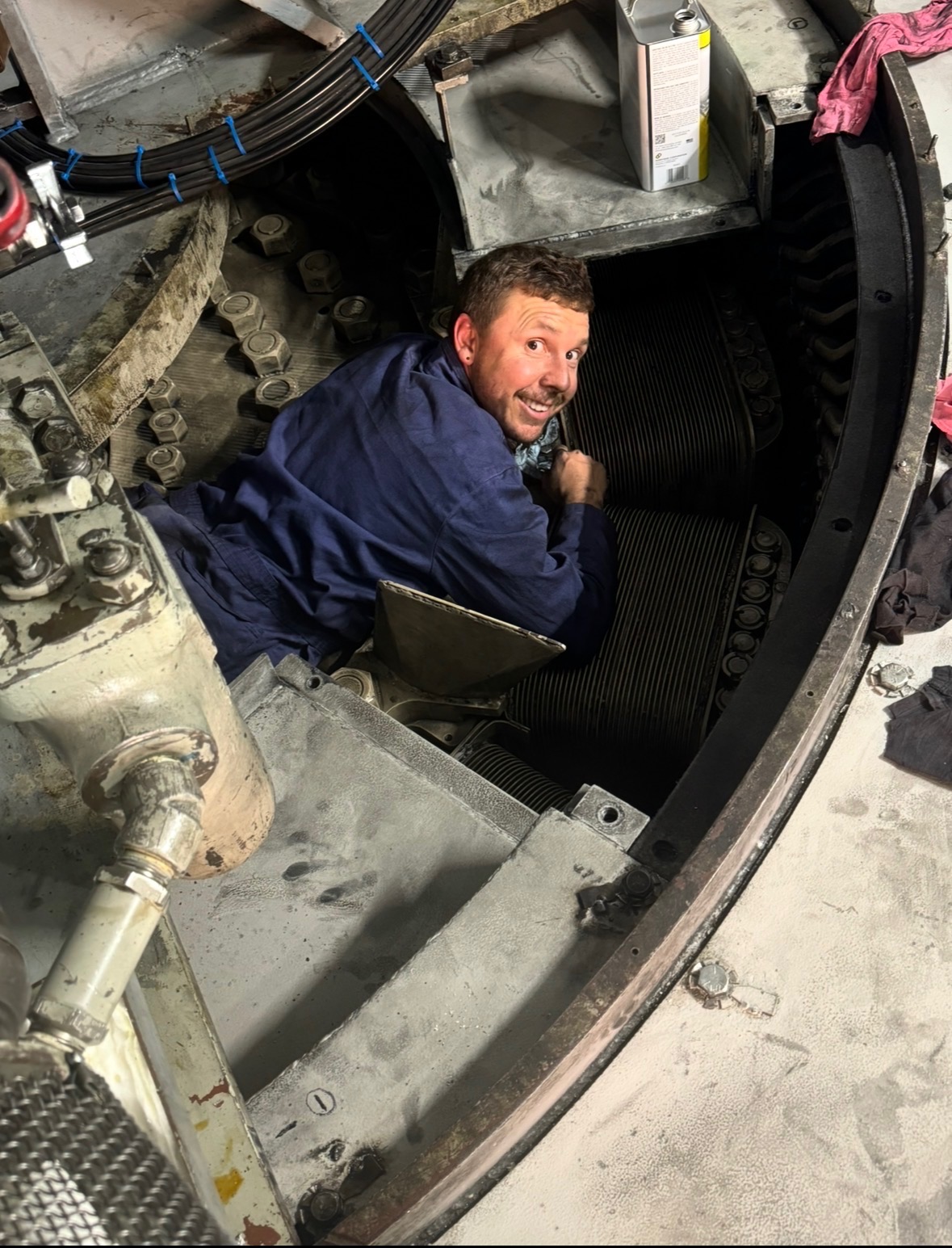
Every day, operators, hydro crews, mechanics, engineers, environmental specialists, hydrographers, and maintenance staff work behind the scenes to care for hundreds of miles of canals and pipelines, reservoirs, treatment plants, powerhouses, and other critical facilities. Their work is rarely noticed, and that’s often the measure of success.
When customers turn on a faucet or irrigate a field, they’re benefiting from people who quietly keep the system running while also helping produce renewable hydropower and protect the Sierra watersheds where every drop begins.
“People often think of infrastructure as concrete and steel,” Jones said. “I think of it as a promise. Every reservoir we maintain, every canal we repair, every treatment plant we modernize is a promise that future generations will have the same reliable water service we enjoy today.”
That promise has connected generations for 105 years.

The miners who first carved canals into the foothills could never have imagined today’s communities. The citizens who formed NID in 1921 couldn’t have envisioned modern treatment plants, remote monitoring systems, or clean hydropower. Today’s employees, in turn, are making investments whose greatest benefits may not be fully realized for decades.
Tomorrow morning, when someone turns on a faucet without giving it a second thought, they’ll be benefiting from more than a century of planning, stewardship, and quiet work.
For 105 years, each generation has inherited the system, strengthened it, and passed it forward. That’s the promise of NID.
This article appears in NID.
